Quality General Contracting Mt Vernon
You require a Mt. Vernon GC who comprehends historic homes, narrow-street logistics, and freeze‑thaw durability. Expect unified accountability, clean permits, coordinated MEP, and inspection-ready work. Demand honest, itemized bids tied to CSI divisions, explicit schedules with critical-path tracking, and documented change procedures. Verify licensure, insurance, references, and safety plans. Insist on physical evaluation to confirm access, staging, hidden conditions, and communication fit. Choose the contractor who exhibits competence, transparency, and risk control-exactly what follows shows how to confirm it.
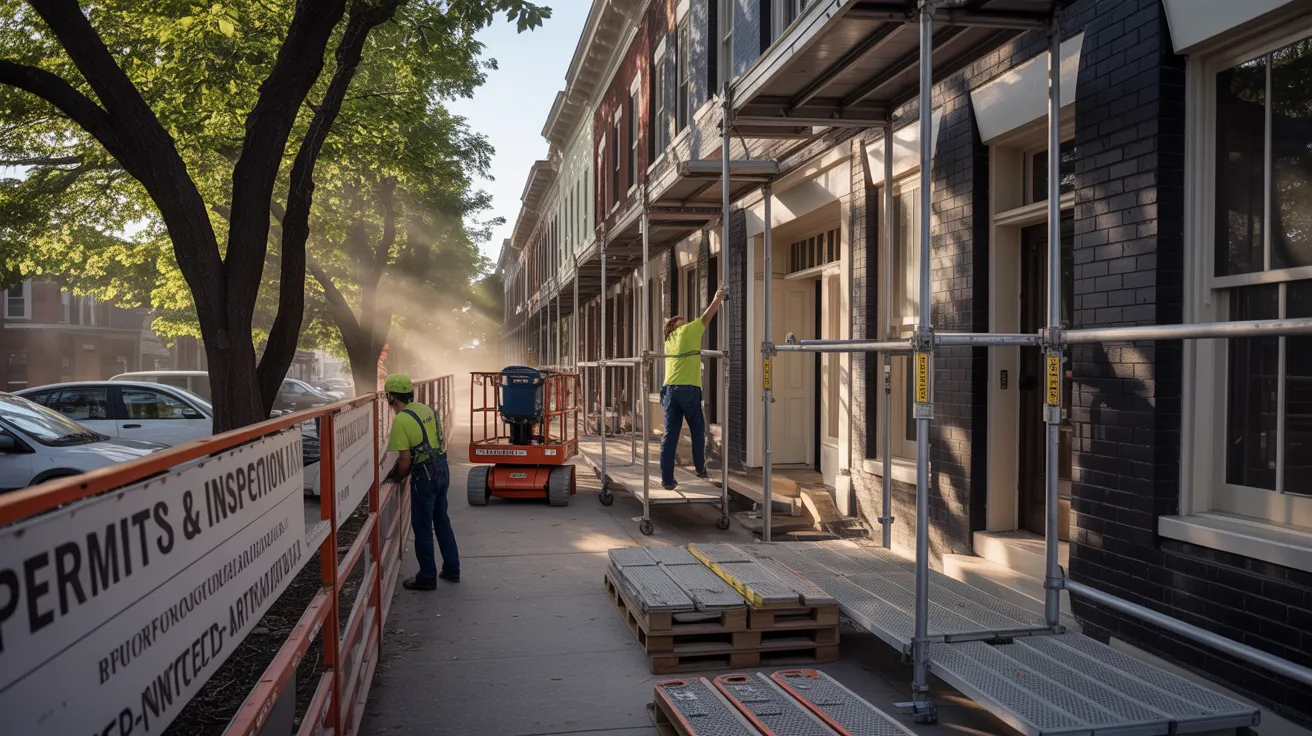
Critical Highlights
- Local Mount Vernon experts in historic homes, infill, and complex neighborhood regulations, including Historic Commission reviews and narrow-street logistics.
- Centralized accountability from preconstruction through closeout with compliant permitting, aligned timelines, and readiness for inspections.
- Transparent, itemized bids mapped to CSI divisions with contingencies, allowances, alternates, and lead times explicitly outlined.
- Forward-thinking risk and schedule management using critical-path tracking, look-aheads, resource leveling, and documented change-order processes.
- Verified licensing, bonding, insurance, local references, and clear communication protocols with documented conferences, RFIs, submittals, and daily reports.
Why Regional Expertise in Mount Vernon Is Essential
Throughout Mount Vernon's remarkable fusion of historic residences and new construction, area expertise isn't optional-it's essential. You navigate multiple heritage layers, tight setbacks, and evolving neighborhood regulations without inviting postponements or modifications. You understand which materials resist the local climate, when to arrange exterior work to prevent freeze-thaw cycles, and how to shield masonry, slate, or wood siding during upgrades.
You streamline permit processes, expect heritage review specifications, and coordinate trade workflows to decrease disruptions on compact streets. You source code-compliant products that match legacy aesthetics, align mechanical upgrades with existing envelopes, and prevent moisture intrusion in basements common to the area. You additionally screen subcontractors knowledgeable about Mount Vernon's inspection procedures, guaranteeing documentation, safety, and craftsmanship satisfy or surpass requirements initially.
Core Services You Can Expect From a General Contractor
Taking a broader view, you should expect a general contractor to serve as the single point of accountability-from preconstruction planning through closeout. You'll obtain code-compliant permitting, accurate scopes, and coordinated schedules. They take care of site surveys, utility locates, and site preparation waste disposal in accordance with local ordinances. You can count on rigorous material selection that meets specifications, durability targets, and warranty requirements.
Your contractor manages structural framing, MEP coordination, plus weatherproofing, making sure inspections pass on the first visit. They implement energy efficiency measures-air sealing, insulation R-values, high-performance windows, and correctly sized HVAC. Count on moisture mitigation, firestopping, and compliant egress solutions. Interior work is executed with precision: drywall, tile, millwork, and finish carpentry coordinated with plans. Finally, they perform punch-list resolution, O&M documentation, and clean turnover.
How Professional Contractors Safeguard Your Timeline and Budget
You preserve costs and time when your contractor issues transparent, itemized bids that align scope with regulation-mandated materials and labor. They manage the schedule proactively with critical-path tracking, permit coordination, and real-time updates. They also integrate risk and contingency planning into the contract—allocating allowances, buffers, and escalation protocols-so surprises don't derail your budget or timeline.
Clear, Detailed Bids
Often overlooked but absolutely essential, transparent, itemized bids secure your budget and schedule by splitting every scope line into clear labor, materials, allowances, and contingencies with predetermined quantities and unit costs. You receive a line item breakdown that ties each task to CSI divisions, specified products, and measurable quantities, so you can confirm scope and compare apples to apples. We provide material sourcing transparency with documented suppliers, lead times, unit pricing, and alternates that satisfy code and manufacturer requirements.
Each allowance states finish levels, application methods, and performance requirements, reducing change orders. Contingencies are right-sized and attached to identified risks, not undefined add-ons. Profit and overhead are distinctly itemized. You authorize substitutions in writing. This clarity enables you to control scope, validate pricing, and authorize work with confidence.
Strategic Schedule Oversight
Planning work sequences deliberately keeps your project both timely and cost-effective. You get a build calendar that defines critical paths, crew assignments, and inspection dates, aligned with code-required milestones. We implement timeline monitoring to evaluate current progress against scheduled durations, then recalibrate daily to keep workflows moving without unproductive intervals.
You'll notice look-ahead schedules that secure material lead times to installation windows. Resource leveling balances labor, equipment, and deliveries so crews aren't overloaded or underutilized, minimizing overtime and rework. Submittals, permits, and utility coordination are scheduled early, so approvals happen before mobilization. We check measurements, shop drawings, and field conditions before release, avoiding costly resequencing. With structured updates, documented constraints, and clear dependencies, you stay informed, invoices match progress, and the finish date remains consistent.
Risk and Contingency Planning
With schedules locked and crews coordinated, the next safeguard is a formal risk register and contingency plan website that preserves expenses and deadlines. We document every plausible threat logged, evaluated in a risk matrix by chance and effect, and connected to a specific owner. We assess exposure, set triggers, and predetermine responses so decisions aren't created ad hoc under pressure.
We set up contingency reserves matched with your budget and schedule float, then isolate them from scope growth to maintain accountability clear. Long-lead materials get alternate suppliers, weather-sensitive work receives sequencing buffers, and code inspections are scheduled in advance with corrective paths documented. Monthly reviews recalibrate risks, burn-downs, and remaining reserves. When an issue arises, you get rapid execution, transparent change documentation, and a controlled return to baseline targets.
Permits, Building Codes, and Inspections: Navigating Compliance
Before any demolition or framing begins, you need a well-defined strategy for permits, code compliance, and inspections to keep your project lawful, safe, and on timeline. You'll confirm the scope, submit comprehensive building permits, and coordinate with the city to align inspection timelines with your critical path. Verify structural, electrical, plumbing, and energy code requirements, then outline them in stamped drawings.
Stay current on code revisions that concern egress, fire blocking, load paths, and mechanical ventilation. Develop a checklist for rough-in, insulation, and final inspections, and stage the site for easy access and documentation. Preserve compliance documentation: approved plans, correction notices, product submittals, anchorage records, and photos. Wrap up permits in a timely manner, archive revisions, and keep as-builts accurate-so your final inspection goes through the first time.
Communication, Agreements, and Change Orders Handled Correctly
Even as scopes evolve and schedules narrow, you ensure success with precise communication protocols and ironclad contracts that define roles, deliverables, and decision rights. You establish clear expectations from day one: scope, specifications, schedule milestones, payment terms, and closeout requirements. You document meeting cadences, points of contact, and response times to keep client communication focused and traceable.
You require written scopes and drawings to align with code and manufacturer standards, and you verify conflicts before work starts. For changes, you issue formal change documentation: scope narrative, cost breakdown, schedule impact, and dependencies. You don’t proceed without documented approvals—signed, dated, and linked to revised drawings. You track RFIs, submittals, and daily reports, maintaining a single source of truth. With disciplined records, disputes shrink and delivery stays predictable.
Steps to Vet and Choose the Ideal Contractor for Your Project
Initially, define what "best" means for your project scope, budget, and timeframe, then check each prospect against specific benchmarks. Confirm an active Mt. Vernon business license, bonded status, and general liability and workers' comp insurance. Confirm current contractor registration and record of infractions. Request a written scope, itemized breakdown, schedule, and warranty terms.
Conduct a comprehensive references check: call former clients, request project photos, and ask about punch-list completion and cost control. Review portfolio relevance to your project type and code understanding. Evaluate communication timeliness, clarity, and change-order process. Meet on site to gauge personality fit and problem-solving approach. Compare bids for accuracy, allowances, and exclusions. Focus on safety measures, permitting strategy, and inspection readiness. Choose the contractor who demonstrates competence, transparency, and reliability.
Frequently Asked Questions
Do Contractors Provide Design-Build Services or Collaborate With Your Chosen Architects?
Absolutely. Several contractors deliver a full-service design build service, taking you from concept to permits and construction. If you already have a designer, they'll facilitate architect collaboration, overseeing drawings, specifications, and code compliance. You'll receive budgeting, value engineering, and constructability reviews upfront, decreasing change orders. They'll oversee consultants, approvals, and inspections, coordinate schedules, and maintain comprehensive documentation, so your preferred architect's vision blends perfectly with precise pricing, timelines, and quality control.
What Warranties and Post-Completion Support Are Typically Provided?
About 63% of homeowners indicate better outcomes when projects include formal warranties. You generally receive one-year workmanship coverage, manufacturer product warranties linked to installation, and code-compliant structural warranties covering 5-10 years. Warranty durations should list response times, exclusions, and transferability. You also obtain punch-list completion, closeout documents, and optional maintenance plans for seasonal inspections, sealant renewal, and system tune-ups. Ensure a single point of contact, clear escalation processes, and written service logs.
What Is Our Process for Selecting, Vetting, and Supervising Subcontractors On-Site?
You select subcontractors through prequalification: verify licenses, insurance, and safety records, then perform licensed background checks. You evaluate trade specific references, recent project portfolios, and EMR/OSHA logs. You distribute detailed scopes, code-compliant specs, and QA checklists. On-site, you conduct orientation, confirm permits, and mandate PPE and toolbox talks. You supervise with daily reports, progress inspections, and hold points, utilizing schedules and RFIs to coordinate coordination, remedy deficiencies, and document performance.
Which Cost-Effective Sustainable or Energy-Efficient Options Are Available for Integration?
You can incorporate affordable sustainability by switching to LED lighting, incorporating smart thermostats, strengthening insulation and air sealing, and specifying low-flow fixtures. Add tankless water heaters for immediate efficiency and space savings. Select Energy Star appliances, variable-speed HVAC, and balanced ventilation (ERV/HRV) to meet code and elevate IAQ. Choose cool or reflective roofing and solar-ready conduit. Prioritize blower-door testing, duct sealing, and right-sized equipment to ensure measurable, code-compliant performance.
How Are Dust, Noise, and Site Safety Addressed Throughout Construction?
You manage dust using source capture, negative-pressure containment, and HEPA air filtration, plus wet sweeping and sealed debris chutes. You mitigate noise using scheduling, equipment maintenance, and noise abatement measures like barriers and acoustical blankets. You copyright site safety with OSHA-compliant PPE, daily JHAs, clear egress paths, guardrails, lockout/tagout, and NFPA-compliant hot work permits. You post signage, secure perimeters, carry out toolbox talks, and document inspections to confirm code compliance throughout construction.
Wrapping Up
You're set to convert blueprints into results. With a Mount Vernon contractor who knows local codes, timelines, and inspectors, your project won't drift-it'll track like a train on schedule. Expect clear scopes, ironclad contracts, transparent change orders, and documented milestones that preserve your budget. Validate licenses, insurance, references, and past work, then establish communication and quality standards before you sign. Choose wisely, and you'll develop once, develop properly, and develop within regulations-without surprises derailing your investment.